

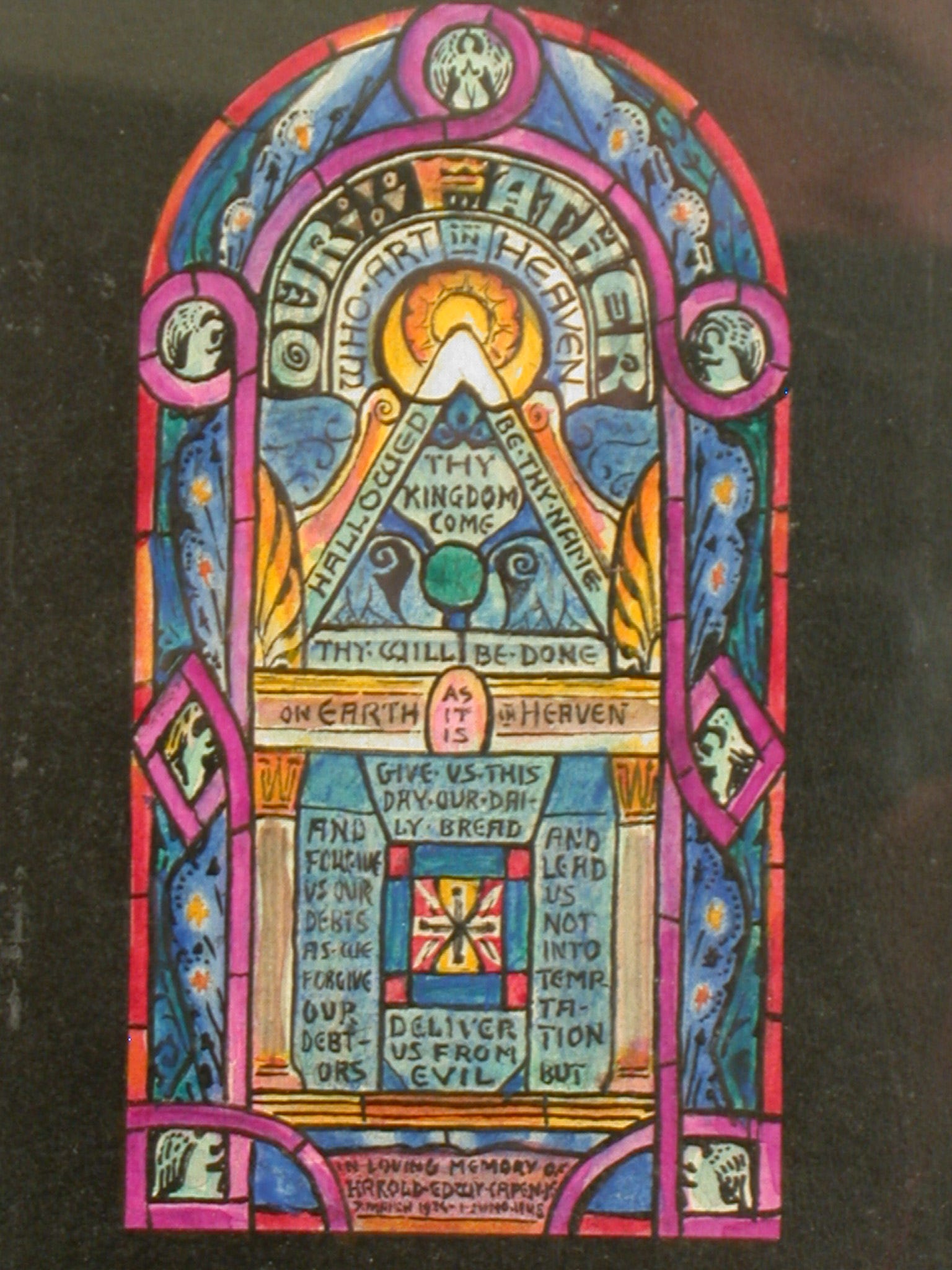
As we transition from Matthew chapter five into chapter six, we notice a significant shift in emphasis. Whereas chapter five focused on the inner life—a righteousness of the heart that surpasses mere legalism—chapter six turns our attention to external expressions of that righteousness. Jesus teaches us about giving, prayer, and fasting. These are essential religious duties, yet He warns us that even these good practices can be corrupted by wrong motives. When our acts of devotion become opportunities for self-promotion rather than expressions of our love for God, their spiritual value is lost.
In our previous reflections on giving and prayer, we saw that Jesus emphasized secrecy and sincerity. Just as our giving is to be done in secret, not to earn the applause of others, so too must our prayers be directed toward God alone, not to impress onlookers. Jesus isn’t condemning public prayer, which has its place in the worshiping community. He is addressing the private discipline of prayer—the kind that happens in the quiet of the inner room, behind closed doors, where no one sees but God. He tells us, “Pray to your Father who is in secret, and your Father who sees in secret will reward you.”
Jesus critiques the hypocrisy of those who loved to stand and pray in public places, seeking admiration. In that cultural context, public displays of piety were held in high regard, and some used prayer to showcase their righteousness. But this is not true prayer. Prayer is a declaration of dependence on God, not a demonstration of spiritual status. It humbles us, reminding us that we are small boats on a vast ocean—utterly dependent on the Living God to guide us.
In Hebrews 4, we are told that we may come boldly before the throne of grace, not because of our righteousness, but because Christ, our great High Priest, has gone before us. Prayer is not something we boast in; it is something we rejoice in. It is our privilege to commune with the Father, made possible through the Son, empowered by the Spirit.
After addressing the errors of hypocritical prayer, Jesus then turns His attention to another danger: meaningless repetition. In Matthew 6:7, He says, “When you are praying, do not use meaningless repetition, as the Gentiles do, for they suppose that they will be heard for their many words.” The Greek word used here—battologeo—appears only once in the New Testament. It conveys the idea of babbling or speaking without thought. In pagan religious systems, prayer was often a formulaic, mechanical act; quantity was thought to impress the gods.
But our God is not swayed by verbosity. He is not impressed by long, mindless prayers. That does not mean we cannot repeat our requests—Jesus Himself taught persistence in prayer. Rather, Jesus is warning against prayer that is all lips and no heart, where the mouth moves but the mind is disengaged. Consider how easy it is, even with the Lord’s Prayer, to recite it without engaging with its meaning. How often do we say, “Our Father who art in heaven,” and fail to reflect on those words? The challenge is not merely to say our prayers, but to pray them—to engage the heart and mind in meaningful communion with God.